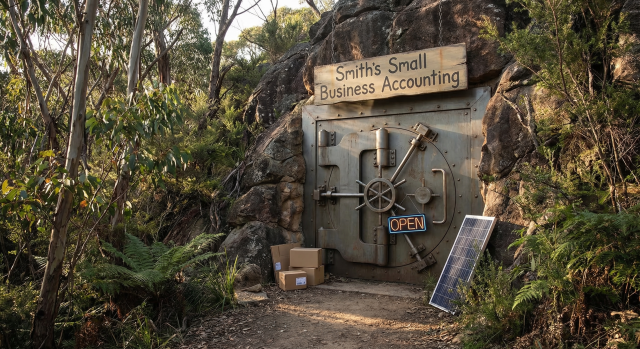
I feel like I’ve seen this movie somewhere before.
Just a few years ago, the idea of an entire workforce upending their commute and setting up at the kitchen table seemed like the plot of a sci-fi thriller (thriller? fizzer?). Then, almost overnight, it became our reality. We learned to navigate Zoom backgrounds, troubleshoot home Wi-Fi, and manage teams from a distance. Eventually, the world opened back up, and while many of us kept a hybrid schedule, the "emergency" feel of remote work faded into the background.
At AFSecure, we're no strangers to the concept. And we've discussed it extensively.
Today, however, an echo of those pandemic-era measures is returning, though for a very different reason. This time, it’s not a virus keeping us home - it’s the price (and availibility) of the very fuel that gets us to the office. We're already seeing movement globally, Thailand and the Philippines are blazing the trail as their respective governments hit the WFH button. This time the response is about survival in a world where global fuel supplies are tightening and every litre of petrol has become a precious resource.
Canaries
As I mentioned above, there's a trend in international news. Several of our neighbours in the Asia-Pacific region have already begun "emergency" work-from-home mandates. Much like the early rumbles before the Pandemic hit Aus, these countries are acting as the "canary in the coal mine." The conflict in the Middle East and the resulting disruption to shipping lanes like the Strait of Hormuz have sent shockwaves through the global energy market. When the taps tighten overseas, the ripples reach our shores faster than we’d like. While we haven't seen government-mandated WFH in Australia just yet, the economic pressure is already sitting in our driveways.
Australia’s Growing Commuter Crisis
Here at home, the conversation is shifting rapidly. We’ve spoken many times on this blog about the benefits of WFH > how it boosts productivity, offers flexibility, and helps with staff retention. But we are moving past the "nice-to-have" phase. Right now, seeing petrol at $2.00 per litre feels like wishful thinking. As prices climb steadily toward the $3.00 mark, the cost of a daily commute is no longer just an inconvenience; for many Australians, it’s becoming the difference between a comfortable week and struggling to afford groceries.
Unfortunately the pain we're feeling now isn't supply side pain - not yet. It's panic buying. Petrol pricing is dictated by supply vs demand and right now demand is through the roof. Maybe it's wishful thinking, but I can't help but feel that if every business that CAN work remotely, does, then the demand will reduce and leave more petrol for everyone who has to travel for work.
Right now unfortunately it's toilet paper all over again.
The effects ripple. As a business owner, you’re likely feeling the squeeze or bracing for it. Freight costs go up, electricity for the office is more expensive, and your team is feeling the "commuter tax" every time they pull into a service station. Against this backdrop, offering WFH is a massive benefit - a direct cost-saving measure you can provide to your staff without actually changing their salary.
But keep an eye on the horizon - look further. In a scenario where national fuel reserves are prioritised for emergency services and essential logistics, non-emergency petrol vehicles could find themselves grounded. If that happens, anyone who doesn't drive an EV or ride a bike becomes a remote worker overnight - whether you’re ready for it or not.
From "Reacting" to "Prepping"
I live by the cliche "prepare for the worst and hope for the best". Being a "business prepper" isn't about building a bunker; it’s about building resilience.
It’s about ensuring that if your team has to stay home tomorrow, your business doesn't skip a beat. If the pandemic taught us anything, it’s that "winging it" with remote access leads to security gaps, frustrated employees and disappointed customers.
To truly prepare, you need to look at your digital infrastructure through a lens of reliability and security. Here are the simple, effective things you can do right now to ensure your business is ready for a fuel-restricted future:
- Audit Your Remote Access: Are your staff able to access the services they need? Is being in the office the same as being at home? What's different?
- Secure the "Home Office" Perimeter: When staff work from home, your business data is only as secure as their home router. We often recommend small, managed hardware solutions for key staff that provide a "corporate-grade" encrypted tunnel back to the office, keeping your data safe from prying eyes on domestic networks.
- Shift to the Cloud, Properly: If you still have a physical server in a cupboard that everyone has to "dial into," you have a bottleneck. Migrating essential services to the cloud means your "office" exists wherever your team is.
- Invest in Reliable Communication: Ensure your VoIP (Voice over IP) phone systems and collaboration tools are robust. There’s nothing more damaging to productivity than a "can you hear me now?" meeting.
- Make your team tech literate: There's no point trying to document things and teach everyone once you have no choice. Do you have guides for your staff? Do they know how to work remotely? Have you run a "remote work fire drill" during a quiet period to confirm it all works?
Building a Resilient Future
The modern world has gifted us the ability to work remotely. The pandemic proved it to be a crisis management tool that Governments aren't afraid to use.
We hope that $3.00 petrol remains a "worst-case scenario" and that our commutes remain a matter of choice rather than a matter of national reserves. But - unfortunately - hope isn't a strategy. By taking steps now to formalise your remote work capabilities, you aren't just "prepping" for a crisis, you’re also building a more agile, modern, and employee-friendly business.
A resilient business is one that can pivot in an afternoon. Whether it’s a global fuel shortage or just a desire to give your team more time back in their day, having the right secure networking in place is your best defence.
Ready to get prepping? Get in touch with us at AFSecure. We're here to help.